Featured
Facts About Accreditation Requirements in the Industry Un...
Fascination About Documents to Gather When Pursuing Renta...
Unknown Facts About What's Ahead for Debt Forgiveness Ser...


The Only Guide to Rebuilding Personal Credit Rating the Strategic Way
Table of Contents
That liberates money in the short term, and you may have 3 to 4 years to conserve towards the negotiation quantity. Really hazardous to credit report, mostly as a result of missed out on payments and an unfavorable "cleared up" mark that could remain on your credit score record for as much as 7 yearsMay be just option if other choices (financial debt combination, balance transfer bank card, debt mercy) aren't possibleTypically needs a charge to the 3rd celebration, which might offset some or all of the financial savings from financial debt settlementMay aid you avoid bankruptcy if you have actually missed a number of paymentsNot all financial institutions deal with financial obligation negotiation companies Debt mercy may be best for you if you are experiencing a financial difficulty that makes it nearly impossible to pay for your financial obligation balances.

With a DMP, you make one regular monthly repayment to the credit report counseling agency. Those funds are then distributed to creditors of your unsafe financial obligations, such as credit history cards and installment financings. The firm deals with your creditors to decrease rate of interest or forgo costs, yet some lenders might decline such giving ins.
It can help you pay down financial debt if you're able to protect a lending price that's reduced than the average rate of the accounts you're combining. You must abstain from racking up financial obligation on those recently gotten rid of accounts or your financial obligation can grow also higher.
These cards commonly provide a 0% interest initial duration of as much as 21 months. That gives you a lot of time to get rid of or substantially minimize your balance while making interest-free payments. For some people facing impossible financial obligation, personal bankruptcy might be the only way to stop collection process and lawfully solve their debts.
An Unbiased View of The Pros and Disadvantages of Bankruptcy
You may need it if your lender or a collection agency ever before tries to accumulate on the financial obligation in the future. When a loan provider forgives $600 or even more, they are required to send you Kind 1099-C.
Financial obligation mercy or negotiation often hurts your credit rating. Anytime you resolve a financial obligation for less than you owe, it might show up as "worked out" on your credit history record and affect your credit rating for seven years from the date of negotiation. Your credit history can likewise go down substantially in the months leading to the forgiveness if you drop behind on payments.
The 10-Minute Rule for Federal Resources for Debt Relief
This situation often results from underreporting earnings, not filing returns on time, or discrepancies located throughout an Internal revenue service audit. The effects of collecting tax debt are significant and can include tax liens, which give the Internal revenue service a lawful insurance claim to your property as safety for the debt.
Higher rate of interest on available debt. Salaries and Financial institution Accounts IRS can levy (seize) incomes and savings account to satisfy the debt. Lowered earnings and disruption of important financial processes. Property Seizure In severe instances, the internal revenue service can seize and sell property to cover the debt. Loss of important properties and potential displacement.
Anxiety, anxiety, and various other psychological health concerns. Social Stigma Encountering legal action from the IRS can bring social preconception. Damage to track record and partnerships. Work Opportunities A poor credit report as a result of tire financial obligation can restrict employment possibility. Difficulty finding or maintaining a job. Government Benefits Tax financial debt may impact qualification for government benefits, such as Social Protection and Medicaid.
Getting The How Denying Your Debt Problems Causes Things Worse To Work
The OIC considers several variables, including the taxpayer's income, costs, asset equity, and capacity to pay. Successfully bargaining an OIC can be complicated, requiring an extensive understanding of the internal revenue service's guidelines and a solid debate for why your offer straightens with your capability to pay. It's essential to keep in mind that not all applications are approved, and the process calls for in-depth economic disclosure.
The internal revenue service examines your general economic scenario, including your income, costs, possession equity, and ability to pay. You have to likewise be present with all declaring and settlement needs and not be in an open insolvency case. The IRS additionally considers your conformity background, assessing whether you have a document of timely filing and paying tax obligations in previous years.
How Bankruptcy Fundamentals and Requirements can Save You Time, Stress, and Money.
The application process for an Offer in Compromise involves a number of in-depth actions. You must complete and submit Internal revenue service Form 656, the Deal in Compromise application, and Form 433-A (OIC), a collection details statement for individuals. These kinds call for detailed monetary info, including details about your revenue, debts, expenses, and possessions.
Back taxes, which are unsettled tax obligations from previous years, can dramatically enhance your complete IRS financial debt otherwise addressed immediately. This financial obligation can accrue passion and late repayment fines, making the original quantity owed a lot bigger gradually. Failure to repay taxes can cause the IRS taking enforcement actions, such as providing a tax lien or levy versus your property.
It is essential to deal with back tax obligations asap, either by paying the complete amount owed or by preparing a layaway plan with the IRS. By taking aggressive steps, you can prevent the buildup of extra rate of interest and penalties, and stop a lot more hostile collection activities by the internal revenue service.
One usual factor is the belief that the taxpayer can pay the sum total either as a swelling sum or through a layaway plan. The IRS also takes into consideration the taxpayer's revenue, costs, property equity, and future earning possibility. If these elements suggest that the taxpayer can afford to pay more than the supplied amount, the IRS is most likely to deny the offer.
The smart Trick of Maintaining Post-Debt Budget for Permanent Security That Nobody is Discussing
It is important to give precise and complete details in your application and to talk to a tax professional to boost the chances of approval. Dealing with IRS financial obligation can be complicated and complicated. Tax professionals, such as CPAs, tax attorneys, or enlisted agents, can supply vital assistance. They have the expertise to browse the ins and outs of tax obligation regulation and internal revenue service treatments.

Table of Contents
Latest Posts
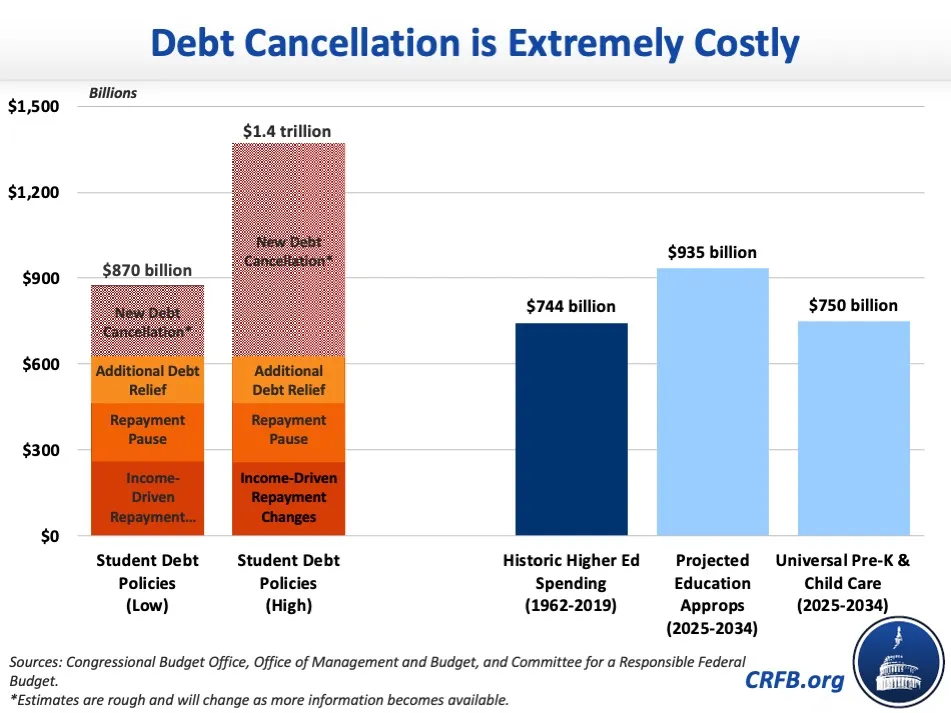
Facts About Accreditation Requirements in the Industry Uncovered

Fascination About Documents to Gather When Pursuing Rental Counseling: What You Didn’t Know You Could Get Help With : APFSC
Unknown Facts About What's Ahead for Debt Forgiveness Services
More
Latest Posts
Facts About Accreditation Requirements in the Industry Uncovered
Fascination About Documents to Gather When Pursuing Rental Counseling: What You Didn’t Know You Could Get Help With : APFSC
Unknown Facts About What's Ahead for Debt Forgiveness Services